Lake Stewardship & Restoration SErvices
Repairing Dysfunctional Lakes and Ponds
Some lakes need an all-hands-on-deck approach to get back to a thriving and productive body of water with clear water, balanced nutrients, and beneficial aquatic vegetation. We start with comprehensive water and sediment testing to identify internal nutrient loading like excess phosphorus.
We then deploy targeted nutrient mitigation strategies like phosphorus-binding treatments, mechanical weed removal and control, grass carp stocking, and any other custom strategies needed for the specific lake to return to a manageable state. Then its time to restore the beneficial green algae and promote vegetation that stabilizes shorelines and sediment.
Aquatic Weed Control
Aquatic Weed Control is essential for maintaining a balanced and healthy waterbody. Invasive and nuisance plants can quickly take over, choking waterways and disrupting fish growth. Our integrated approach to weed control combines mechanical removal, environmentally friendly herbicides, grass carp, and biological controls to target problem species without harming beneficial vegetation.
After getting the present nuisance weeds managed, we address the root cause: nutrient imbalances and poor water circulation.
Nutrient Mitigation
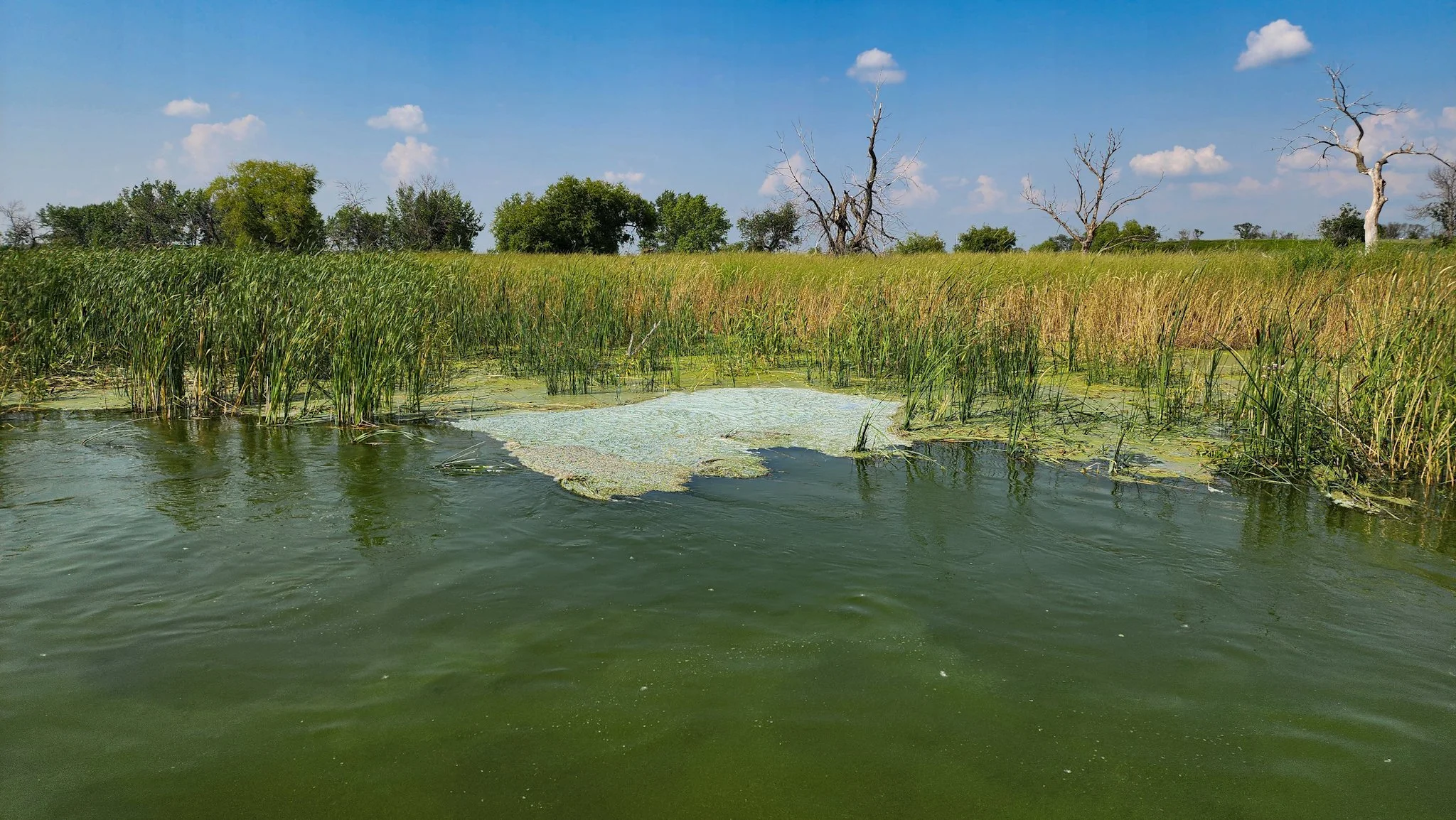
Many of the symptoms we deal with in lakes like weed blooms, algae blooms, and toxic algae are a direct result of the nutrients in the lake. If we manage the nutrients, like reducing sedimentation, binding phosphorus, maintaining the lake in a clear-water phase, having healthy vegetation in the lake to outcompete algae and stabilize the soil to bind up nutrients, we can fix those symptoms.
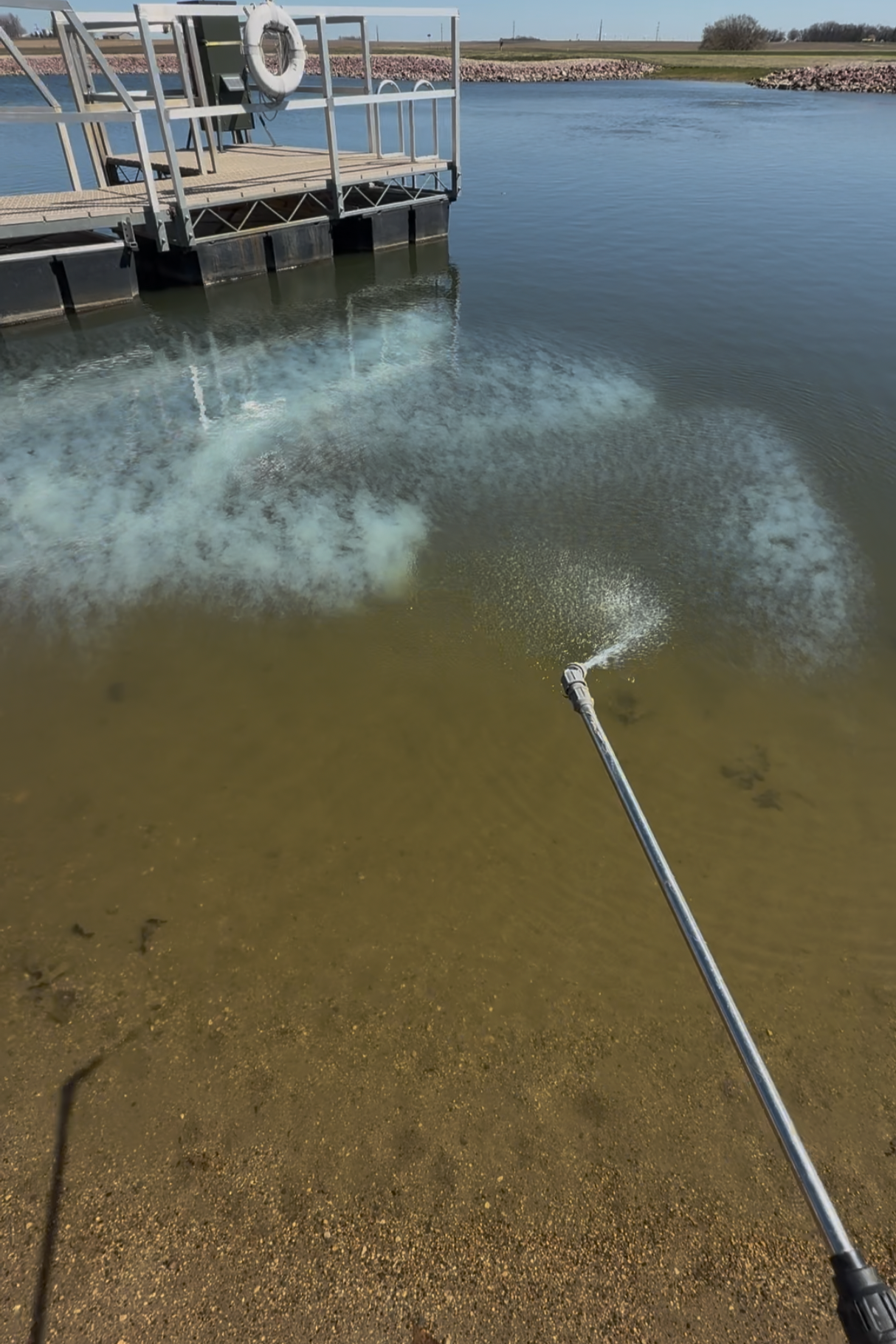
In a lot of older lakes, we find that phosphorus binds up in the sediment of lakes, and because it doesn’t have a gaseous part the only way the phosphorus leaves is if a weed gets pulled out. That’s called internal loading. So we test the sediment to find how much phosphorus is in the bottom of the lake, then test the water, and begin a plan on how to remove that phosphorus. Often, the removal of that phosphorus involves mechanical weed control.
We also look at nitrogen in a lot of lakes, which causes blue-green algae blooms in the mid to late summer. Blue-green algae relies on nitrogen to phosphorus ratios to be skewed toward phosphorus. If you have a 50:1 or less nitrogen/phosphorus ratio, you’re more susceptible to having blue-green algae problems. So if you bind up the phosphorus, you’ll push the lake to green algae, which is beneficial to fish.
Lake Assessment
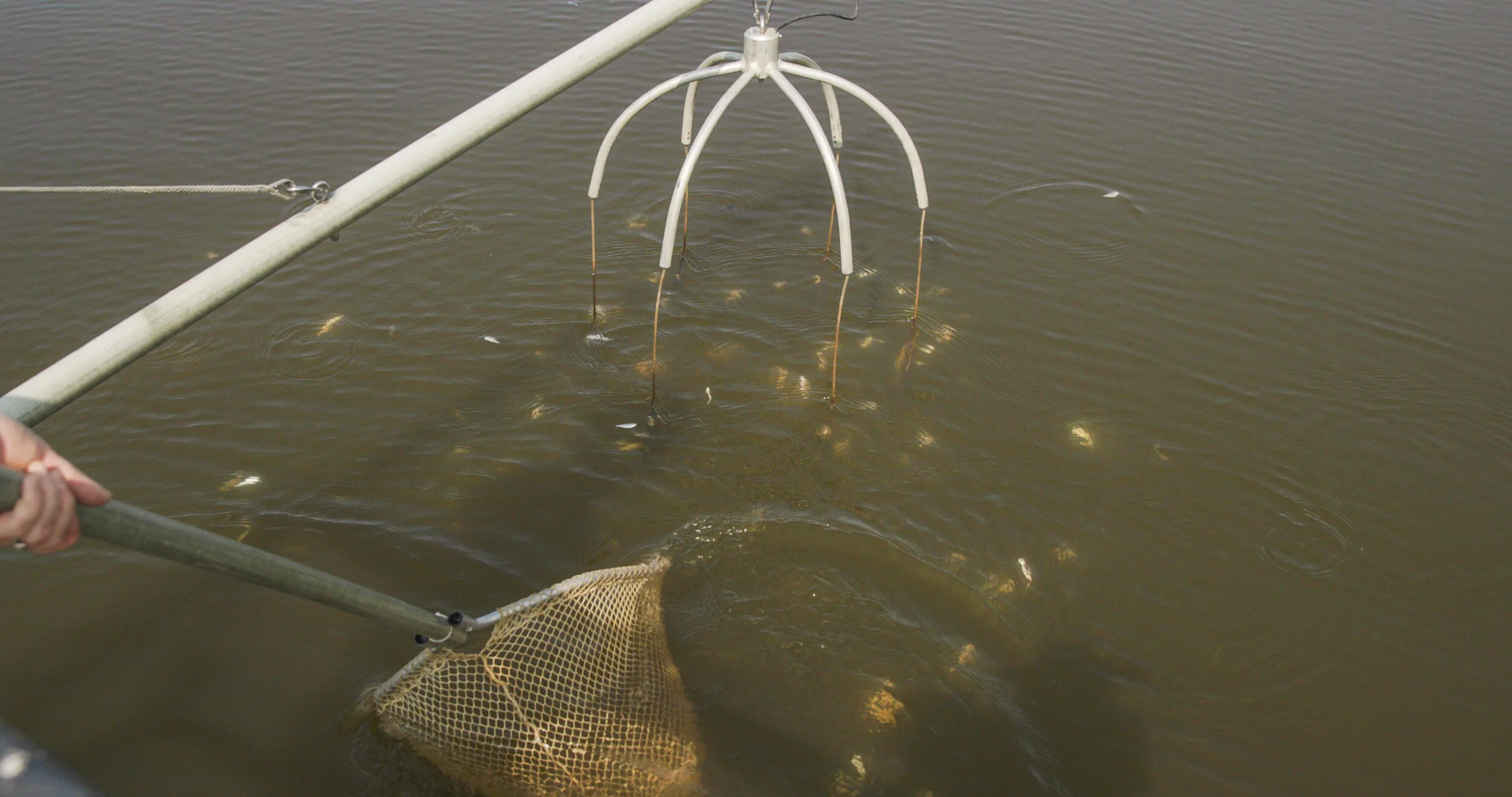
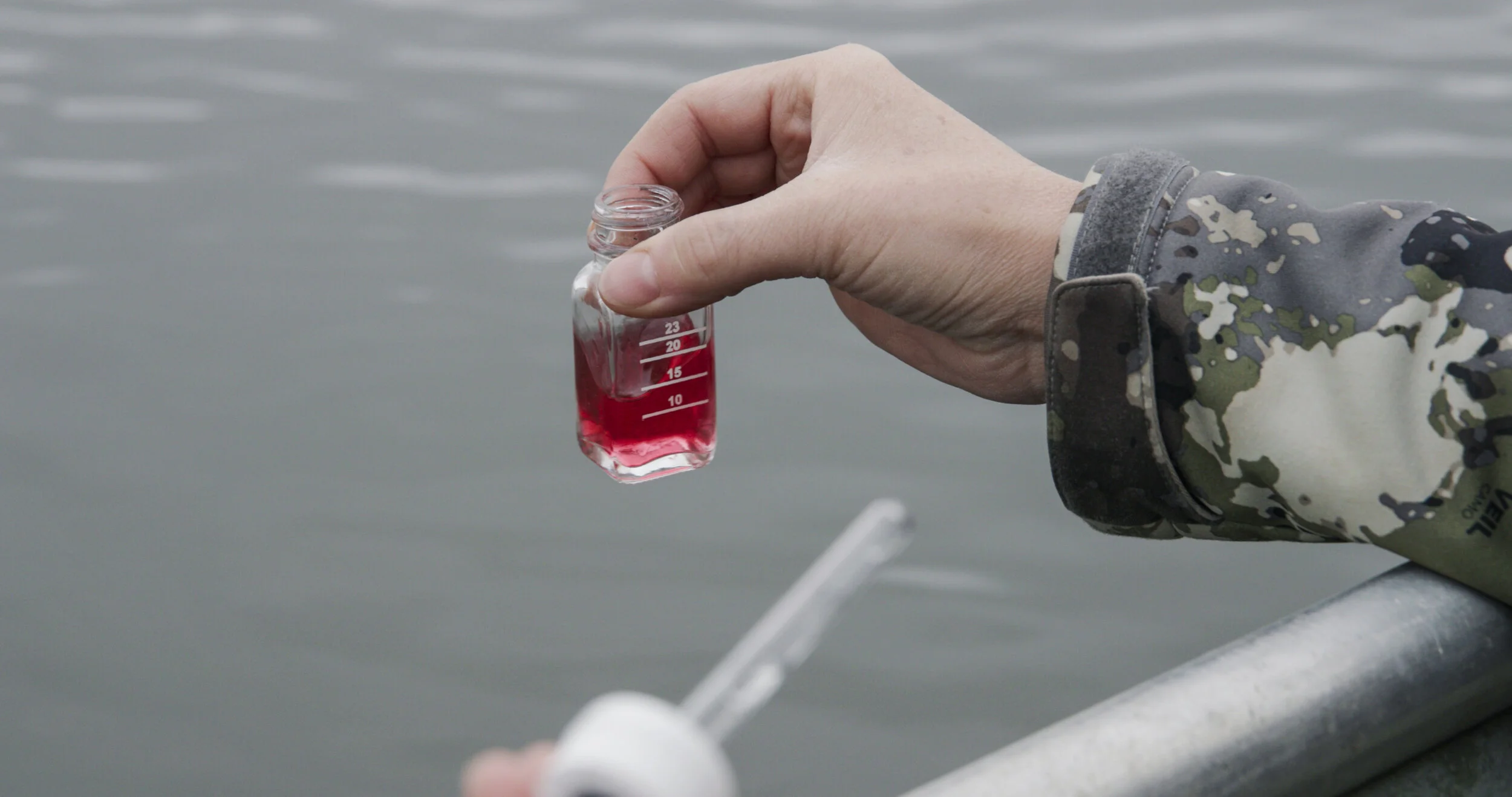
The first step toward becoming a successful lake steward is to understand what’s below the surface. Let our state-of-the-art electrofishing boat and water sampling equipment provide you with a full picture of your fishery and water health. Just like a medical doctor draws labs, measures your vital signs, and asks about your symptoms, we diagnose and treat what is ailing your lake. From nuisance algae blooms to stunted fish and leaking dams, we develop data-driven management plans to overcome obstacles and help you achieve your goals.
Aeration and De-Stratification
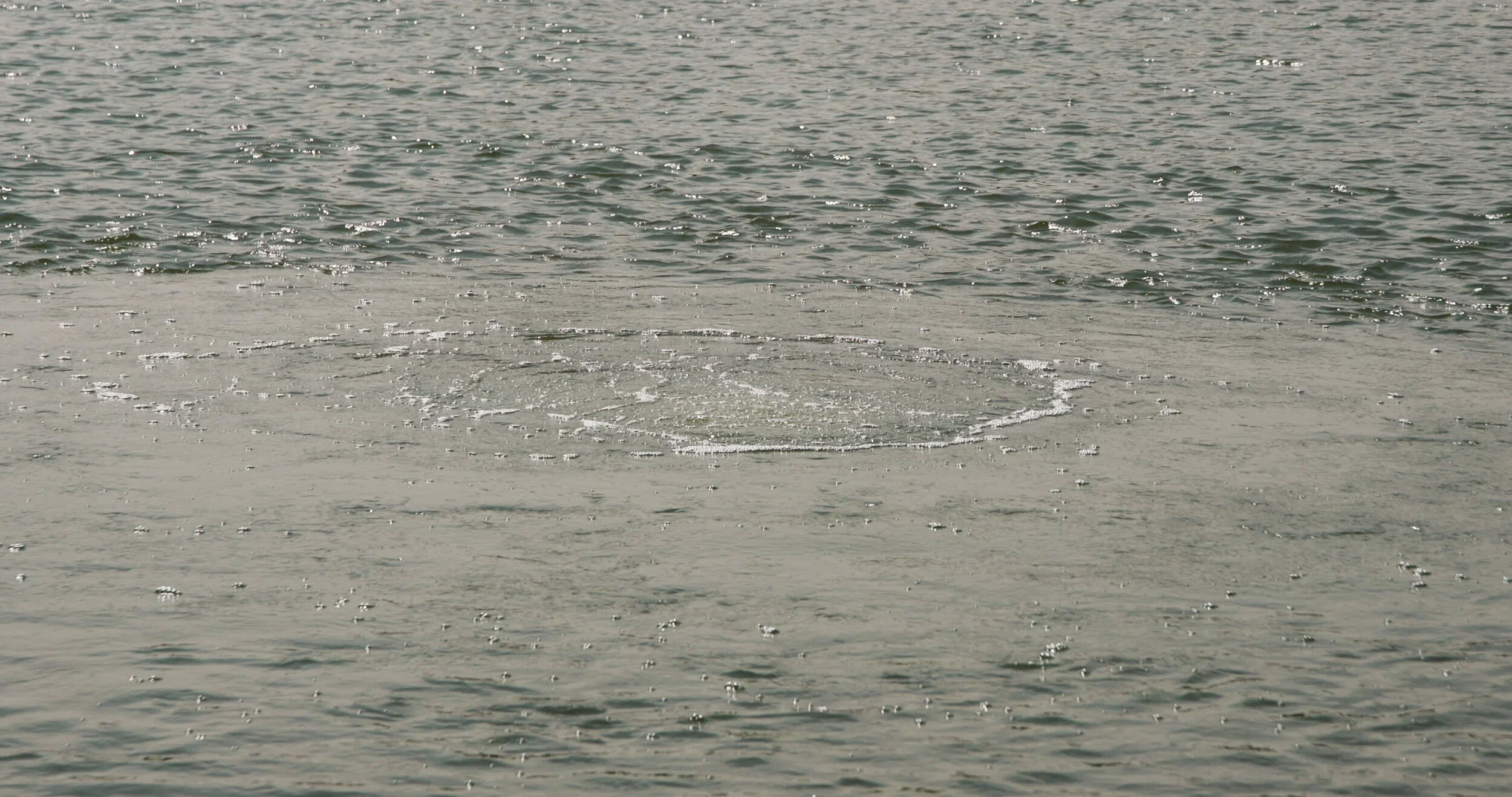
Water circulation is a core necessity when fighting nuisance weeds and recovering a lake. Our Aeration and Fountain Installation services increase dissolved oxygen levels, reduce algae growth, and prevent stratification in lakes and ponds. Proper aeration is vital for maintaining water quality and supporting aquatic life.
The bottom-diffused aeration helps combat dead-zones of near-zero dissolved oxygen, which in turn helps prevent internal loading. When oxygen levels get low near the bottom sediment, bacteria switch to anaerobic respiration and reduce ferric iron to ferrous iron, causing previously trapped phosphorous to be released back into the water column. If the water stays well-circulated and oxygenated, you can prevent this internal loading cycle, and shift your lake back to a clear-water green-algae phase beauty.
Healthy Water Program
Water quality is one of the most overlooked components of a healthy lake, and it’s also what can ruin a lot of good work. We could bore you with pages and pages of all the elements of good water conditions, but that’s what our YouTube educational series is for. If that’s too much watching and learning for today, maybe water quality and its importance is best summed up by “don’t drink downstream from the herd.”
Our Healthy Water Program focuses on improving water quality through comprehensive management practices. By addressing nutrient imbalances, reducing sedimentation, and implementing erosion control measures, we create a healthier aquatic environment. This program includes regular monitoring and targeted interventions to keep your waterbody clean and clear.
Whether you're dealing with algae blooms, murky water, or poor fish health, our program provides long-term solutions to restore balance. With our expertise, you can enjoy a beautiful, functional waterbody that supports aquatic life and recreational activities.
Lake Dye and Bacteria Blocks
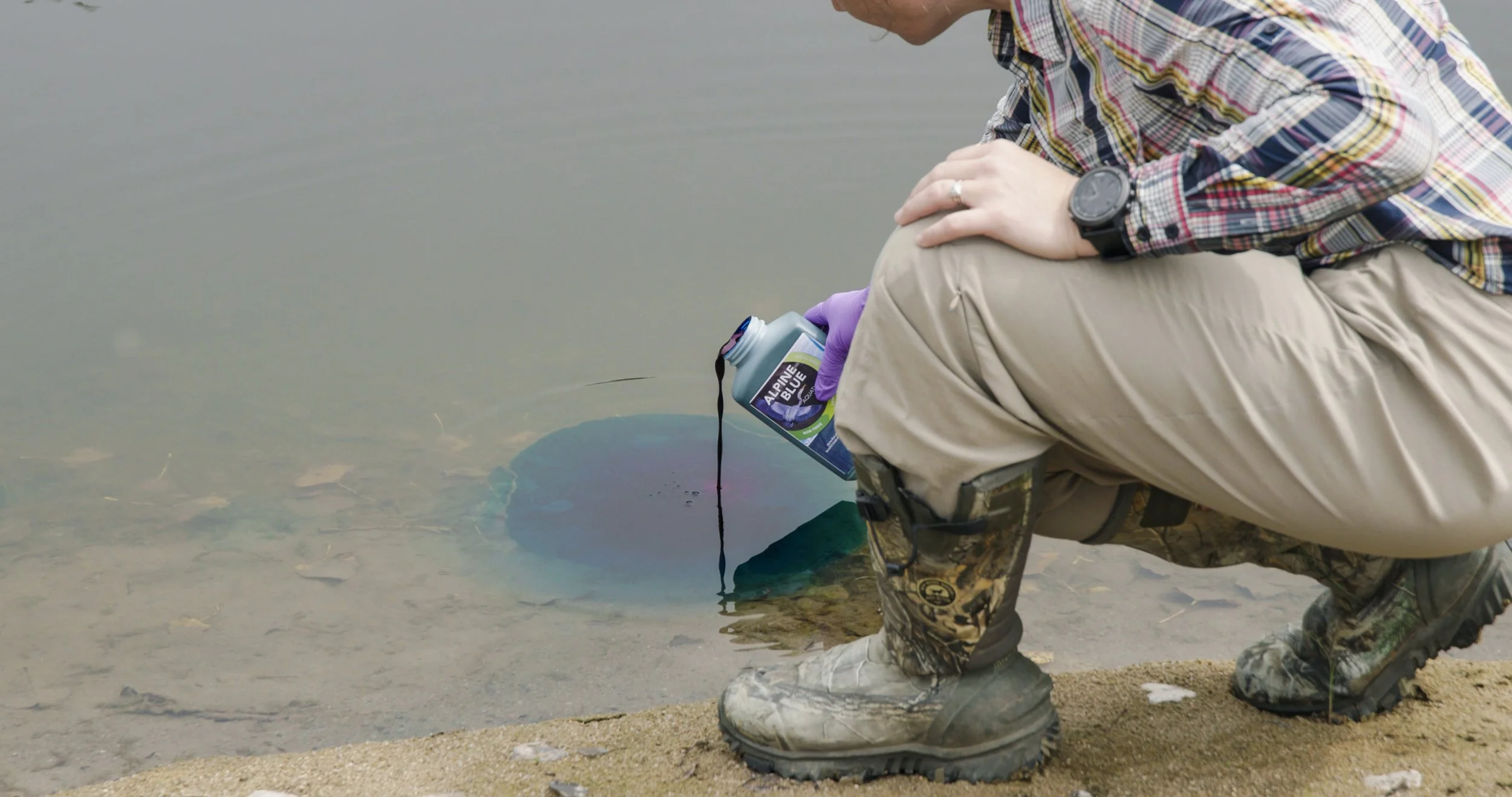
Lake Dyes and Bacteria Blocks are effective tools for controlling algae growth and improving water clarity. Environmentally safe lake dyes limit sunlight penetration, reducing the conditions that promote algae blooms. Bacteria blocks introduce beneficial microbes that break down organic matter, reducing nutrient levels and preventing foul odors.
These solutions are easy to implement and provide long-lasting benefits for your waterbody. Combined with other management practices, lake dye and bacteria blocks can help maintain a clean, clear, and healthy aquatic environment.
Bathymetric Mapping
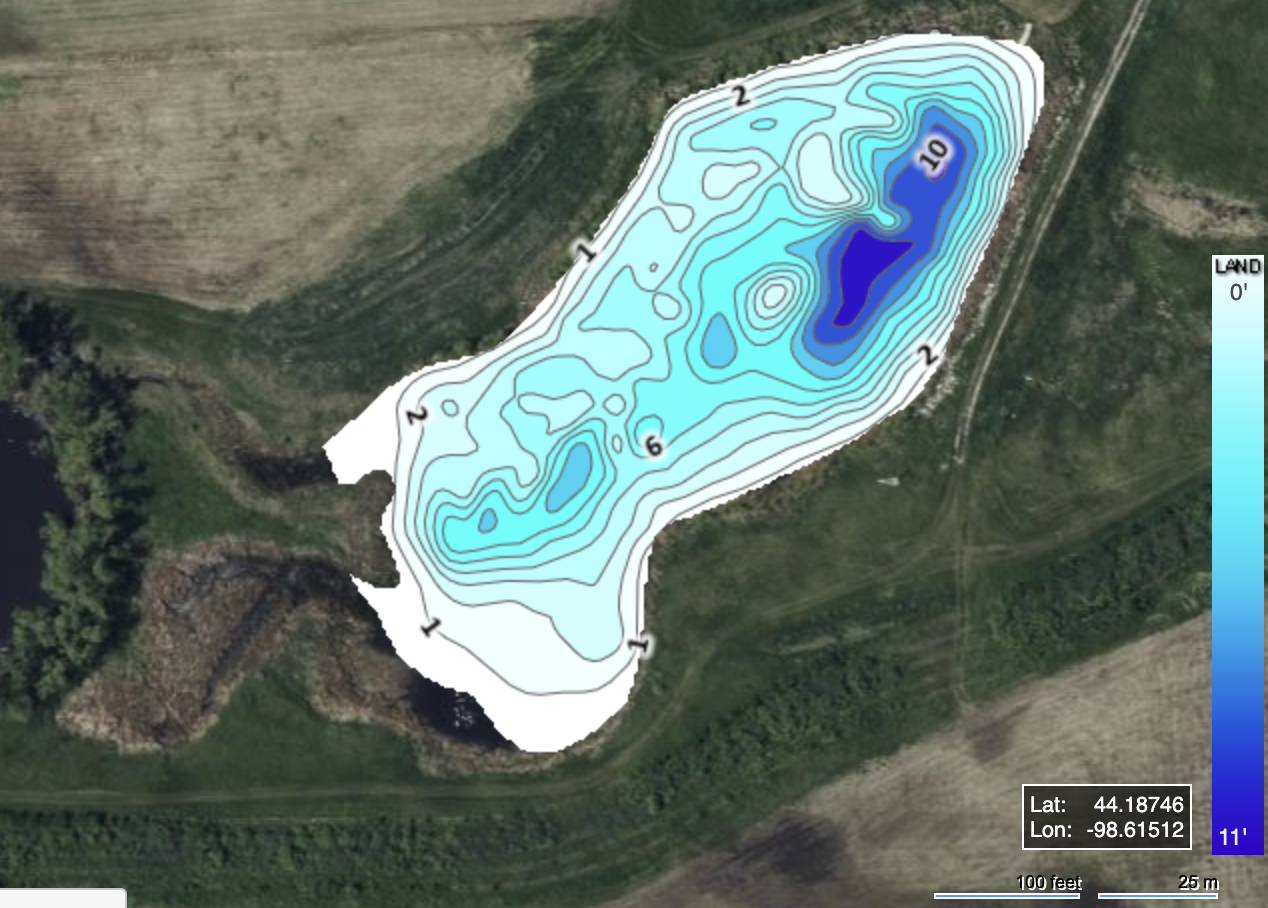
Bathymetric Mapping is a crucial tool for understanding the underwater topography of your lake or pond. Using advanced sonar technology, we create detailed maps that reveal depth variations, underwater structures, and sediment buildup. This information is essential for planning habitat enhancements, locating fish attractors, and identifying problem areas like shallow zones prone to algae growth.
Our maps provide valuable insights for optimizing lake management strategies, from aeration system placement to fishing spot identification. Whether you're managing a large reservoir or a small private pond, bathymetric mapping helps you make informed decisions to improve waterbody health and usability. With accurate data at your fingertips, you can maximize the potential of your aquatic ecosystem.